
EE200: Solar Photovoltaic Systems: Technologies and Applications
Original price was: $299.00.$149.99Current price is: $149.99.
Courses Included
Build a complete working picture of solar PV systems: the physics, the technologies, and the architectures deployed today. Approximately 8 hours · Self-paced online · 6 months access · Certificate of completion.
Description
Solar has moved from a specialty technology to a core part of how electricity is generated and delivered. EE200 gives engineers and energy professionals a complete working picture of solar photovoltaic systems: the physics that makes them work, the technologies that make them viable, and the architectures that put them into service.
Over approximately eight hours of self-paced video instruction, you will move from the behavior of the solar resource through cell, module, and array technology, into the grid-tied, off-grid, and hybrid architectures deployed today, and on to the components, site assessment methods, code requirements, and performance concepts that turn site potential into an operating system.
WHAT YOU WILL LEARN
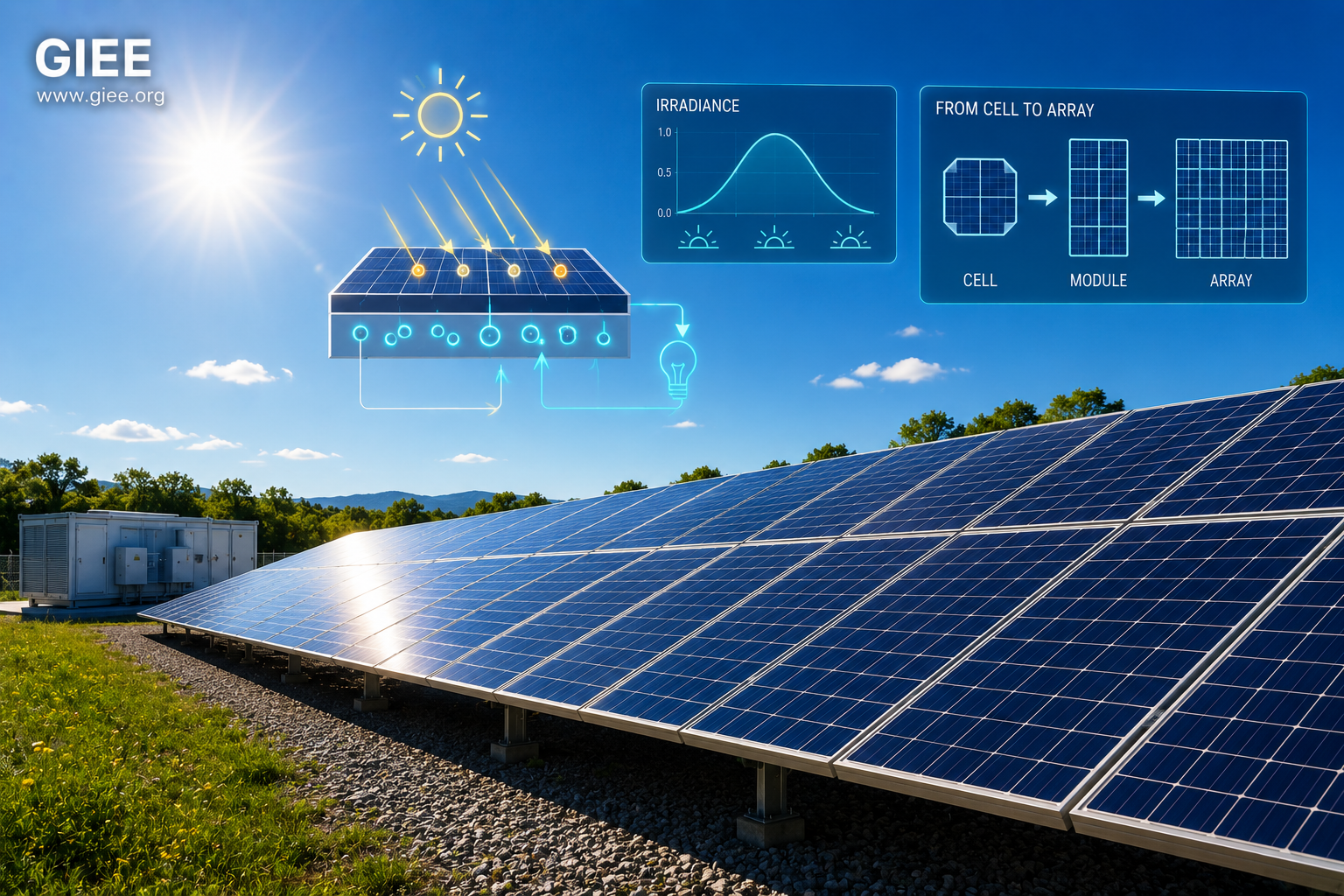
– How sunlight becomes electricity: solar resource behavior, PV cell physics, and module and array technology
– Grid-tied, off-grid, and hybrid architectures, and where each one fits across residential, commercial, and utility-scale applications
– The components of a complete installation: modules, inverters, mounting, and balance of system
– Site assessment fundamentals: solar resource, orientation, tilt, shading, and structural considerations
– NEC code basics, safety essentials, and the performance and energy yield concepts used to evaluate a system
WHO THIS IS FOR
– Engineers entering solar from other disciplines
– Utility engineers evaluating customer-side solar interconnection
– Solar sales and business development professionals who need genuine engineering depth
– Project managers responsible for solar installations
– Energy professionals in adjacent fields assessing solar opportunities
PREREQUISITES
An engineering or technical background in any discipline, plus algebra and basic physics concepts. No prior solar experience required. No electrical engineering specialization required: the course develops the electrical concepts it depends on.
FORMAT
– Approximately 8 hours of self-paced video instruction
– 4 modules covering solar physics and PV technology, system types and architectures, components and site assessment, and code, safety, and performance
– Real installations and real engineering decisions behind every concept
– 4 module quizzes (30% of grade) plus a comprehensive final exam (70%)
– 6 months of full course access from enrollment; 90-day completion window
– Pass at 70%; performance level (Standard, Merit, Distinction) noted on internal transcript
CERTIFICATION
EE200 is the first of four courses on the Certified Solar PV Professional (CSPP) track, followed by EE201, EE202, and EE203. It also stands entirely on its own for professionals who need a working command of solar PV without pursuing the credential.