
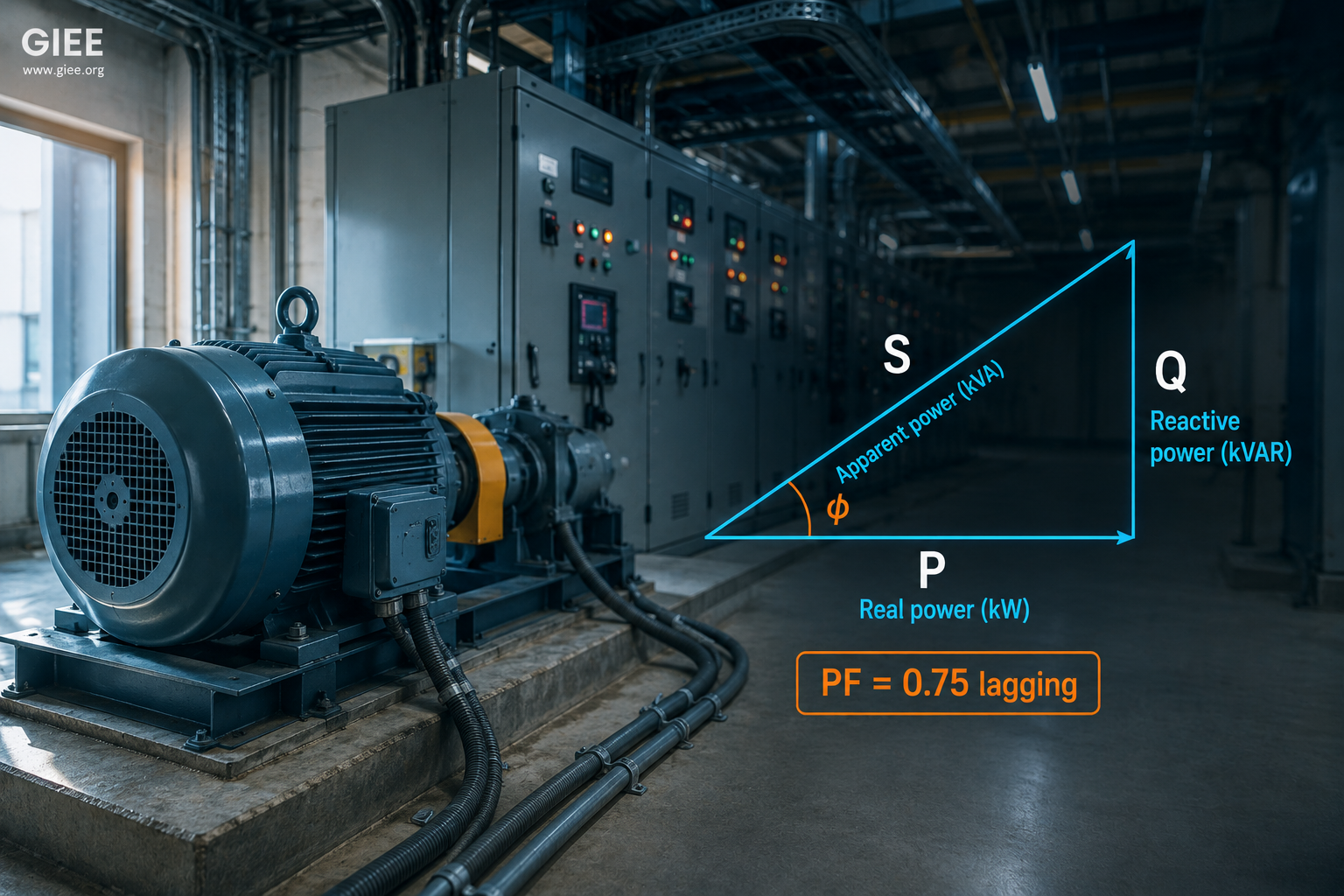
Reactive Power and Power Factor Explained for Engineers
Key Takeaways Real power (W) does useful work, reactive power (VAR) sustains magnetic and electric fields, and apparent power (VA) …
Read More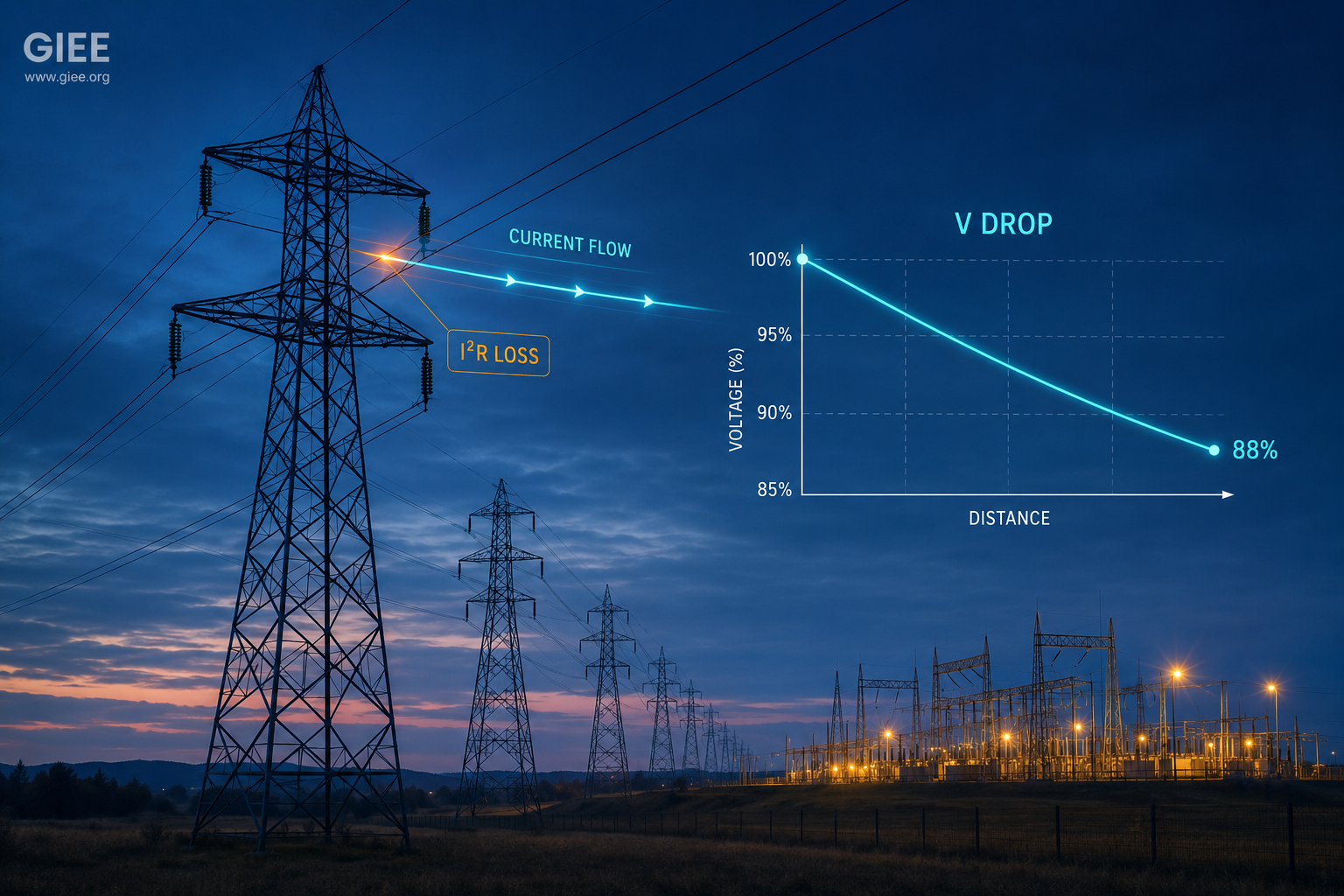
The Three Fundamental Problems in Power Systems: Losses, Voltage Drop, and Power Factor
Key Takeaways All three problems share one root cause: real conductors have resistance and reactance, so moving current through them …
Read More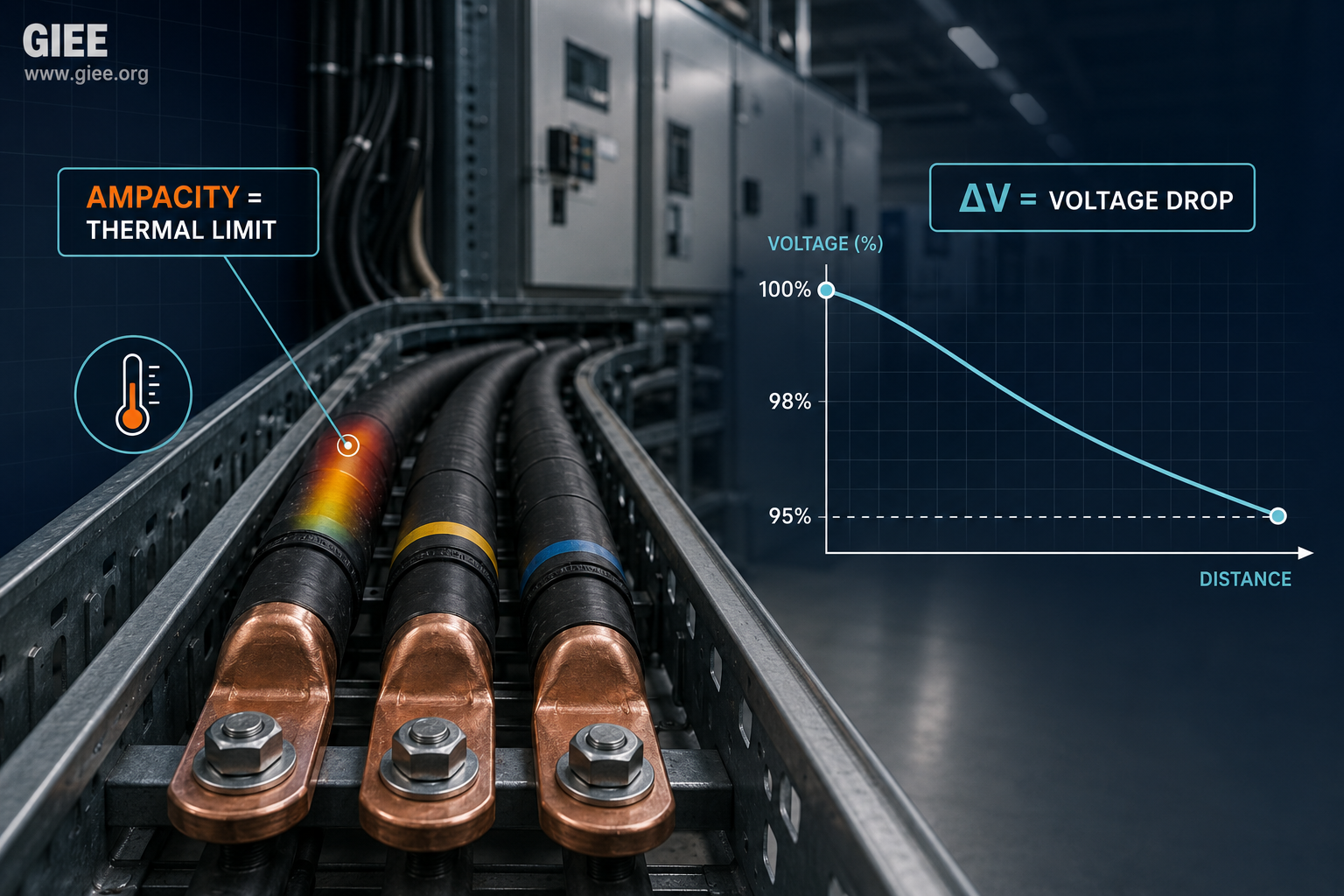
Cable Ampacity vs Voltage Drop: Two Concepts Every Engineer Must Understand
Key Takeaways Ampacity is a safety limit; voltage drop is a performance limit. One protects the cable from overheating, the …
Read More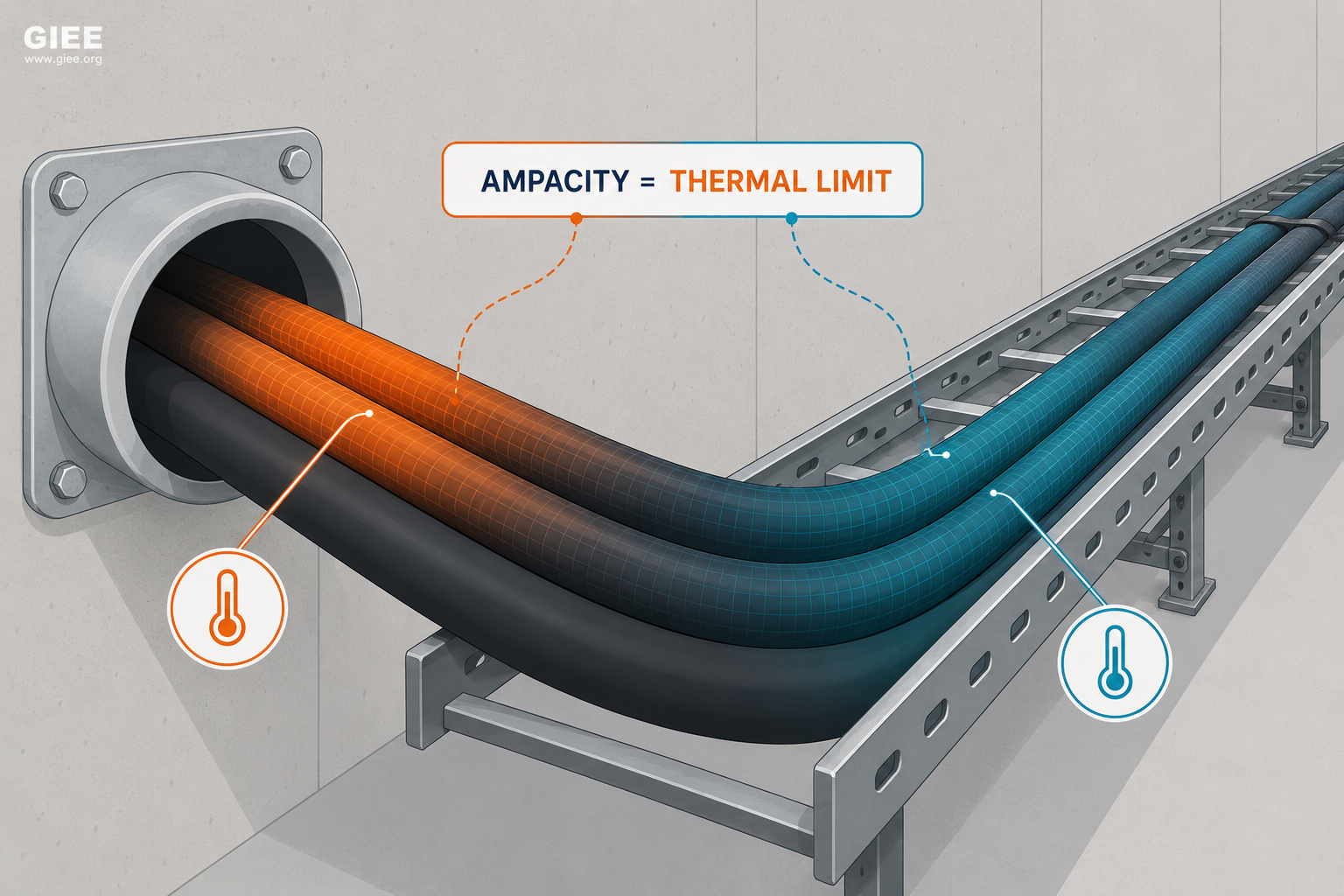
Factors Affecting Cable Ampacity: Why the Same Cable Does Not Always Carry the Same Current
Key Takeaways Ampacity is a thermal limit, not an electrical one: it is the current at which the conductor reaches …
Read More
Energy Storage Systems (ESS): A Complete Engineering Guide from Fundamentals to Grid-Scale Applications
Key Takeaways Energy storage has moved from a niche grid asset to critical infrastructure, driven by falling lithium-ion costs (average …
Read More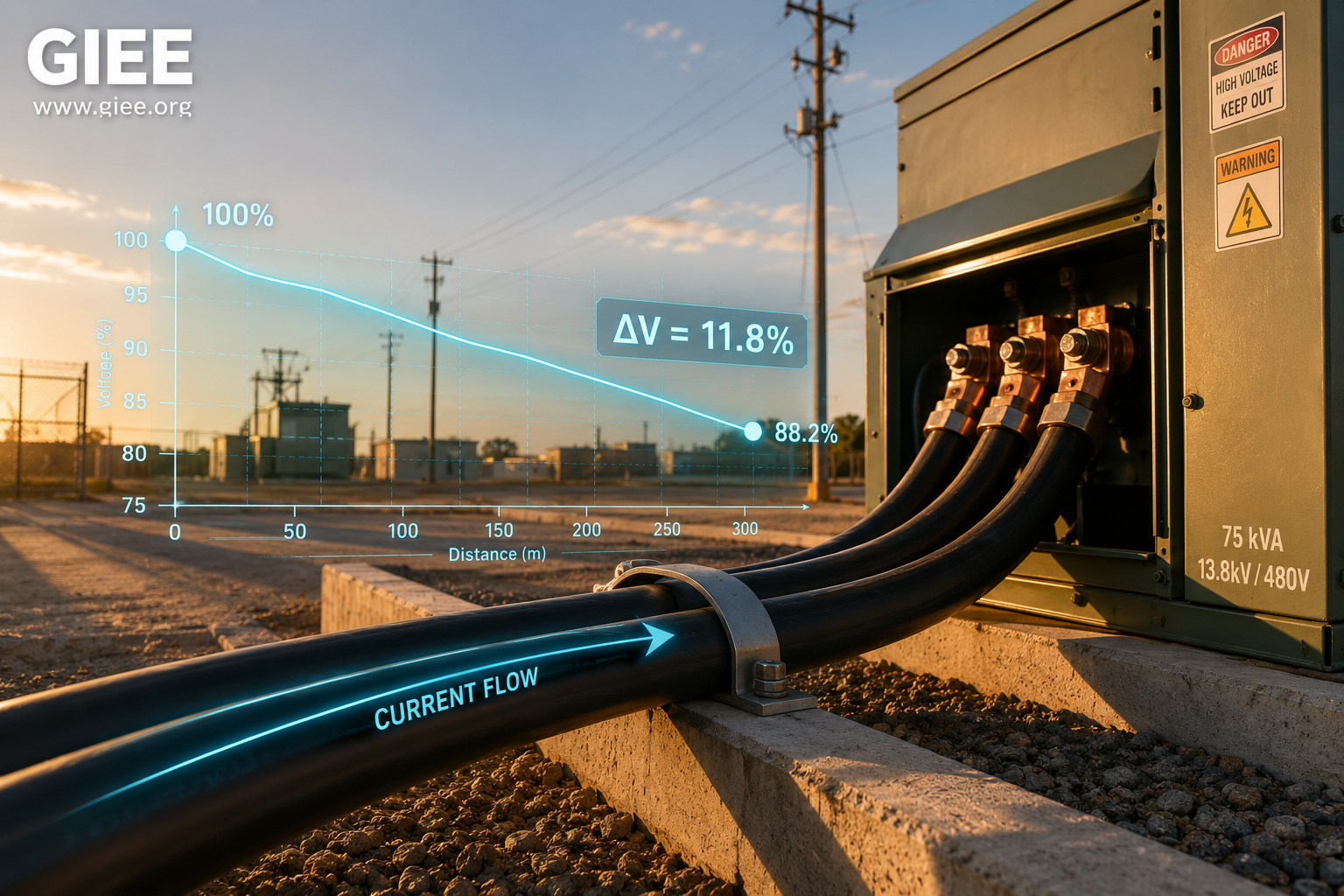
Voltage Drop in Electrical Systems: A Practical Engineering Guide
Key Takeaways Voltage drop is the loss of potential along a conductor caused by its resistance and, in AC, …
Read More