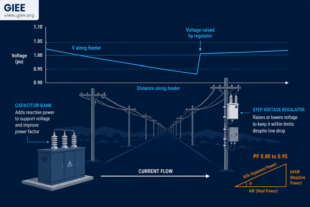

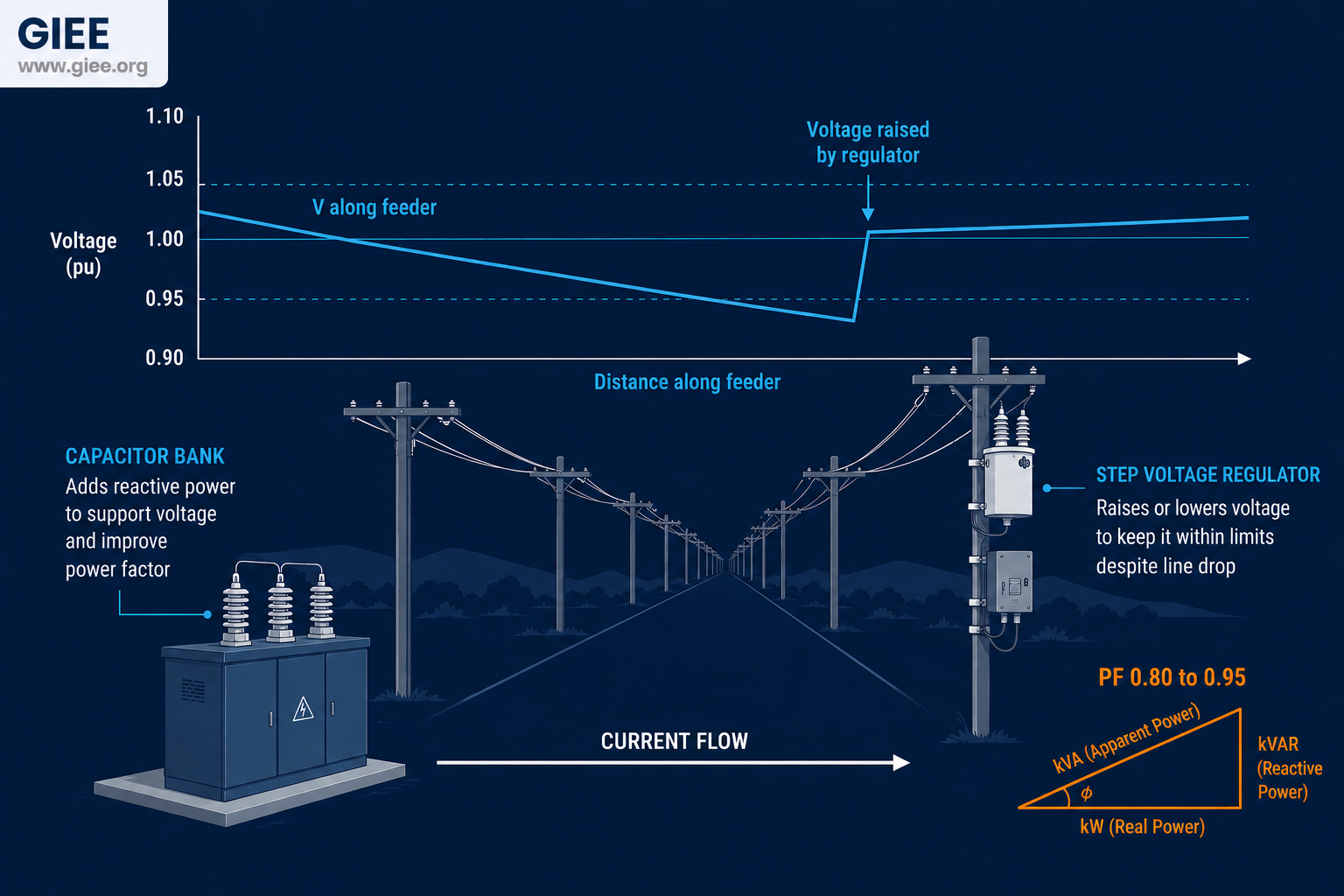
Capacitor Banks and Voltage Regulators: Why You Need Both
Key Takeaways Voltage drop and poor power factor share a root cause – reactive current drawn by inductive load …
Read More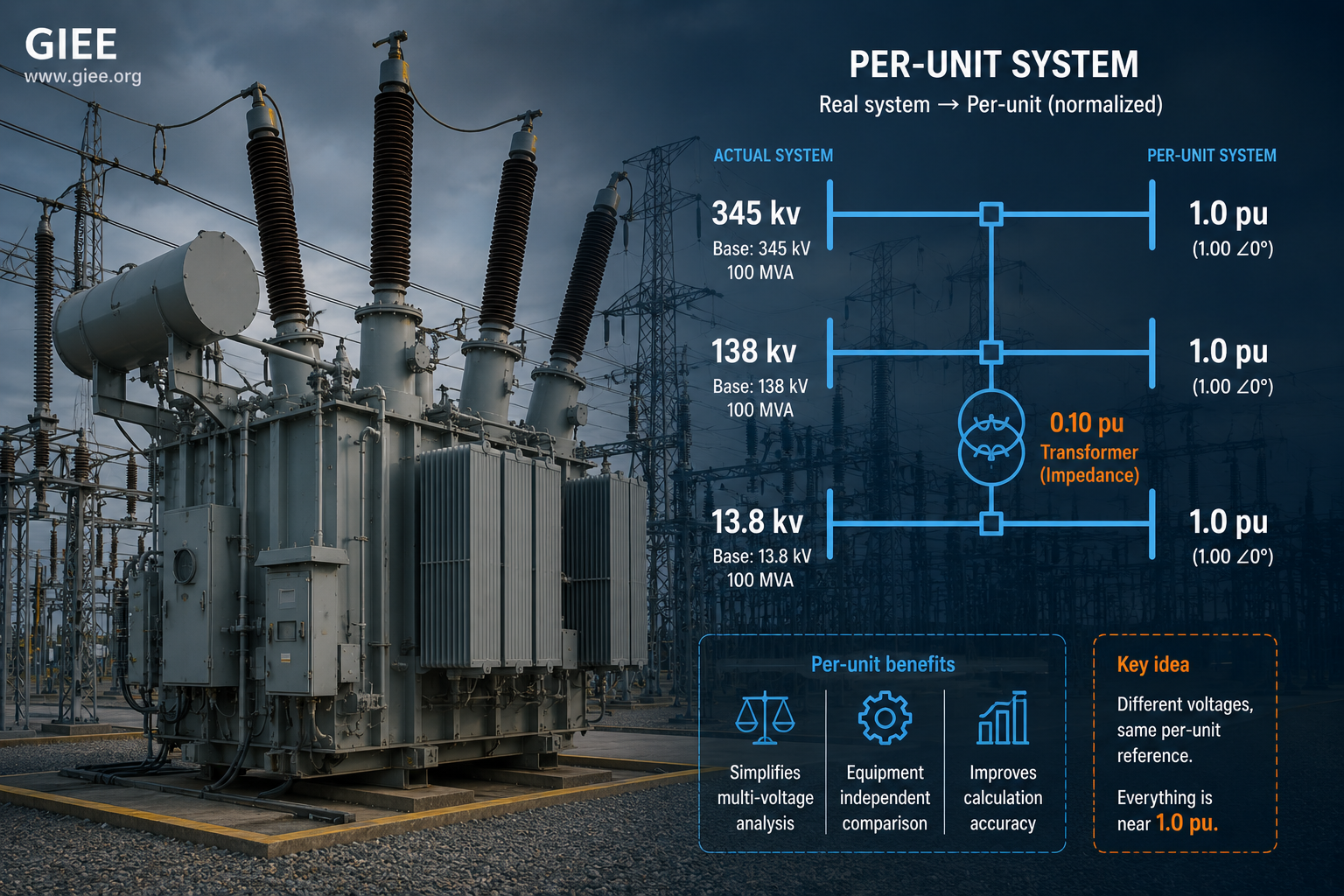
Per-Unit System Explained: Bases, Conversion, and Pitfalls
Key Takeaways The per-unit (pu) system expresses every electrical quantity as a fraction of a chosen base, turning volts, …
Read More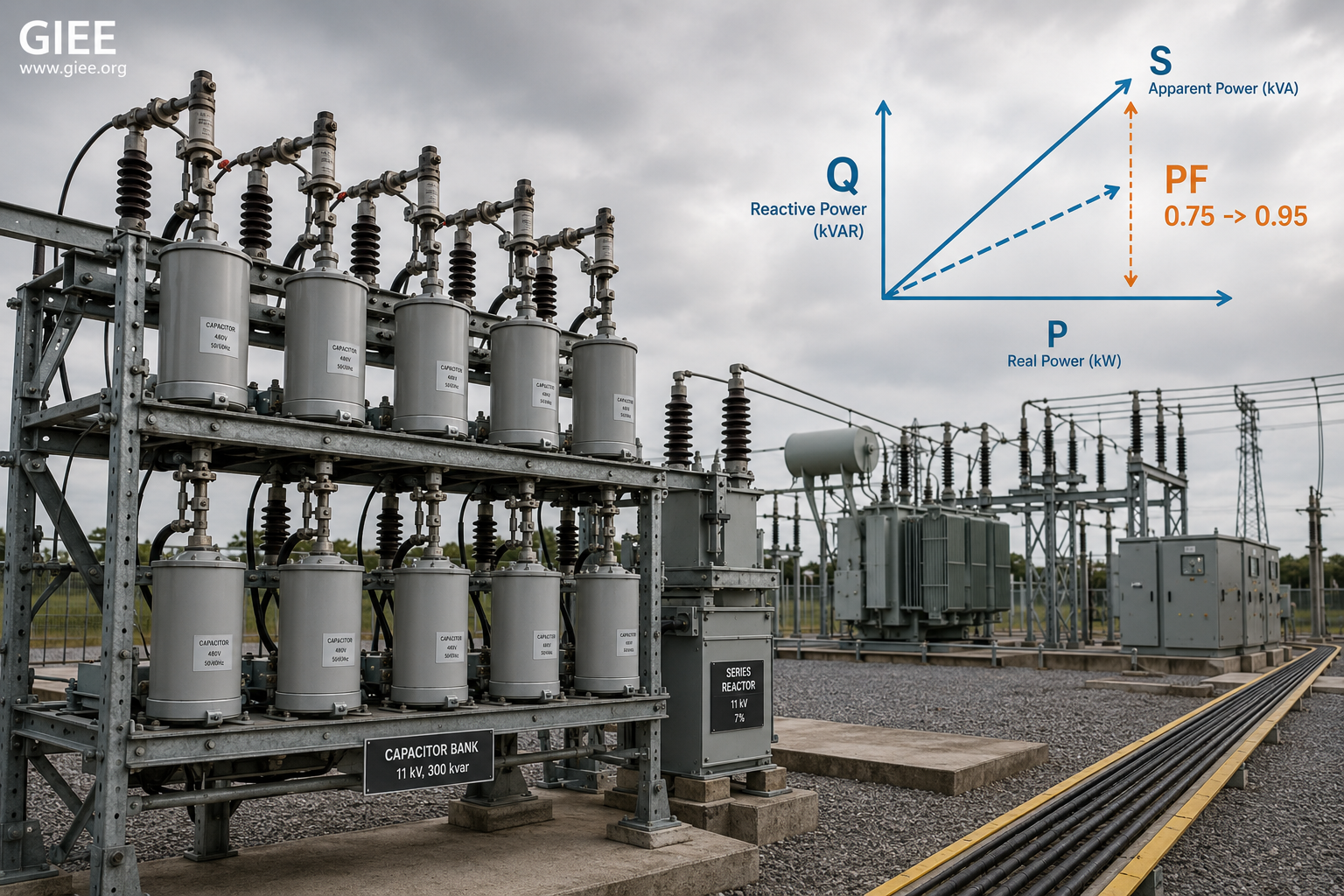
Capacitor Banks in Power Systems: How Reactive Compensation Cuts Current, Losses, and Voltage Drop
Key Takeaways Capacitor banks supply reactive power (kVAR) locally, so inductive loads draw less reactive current from the source. Correcting …
Read More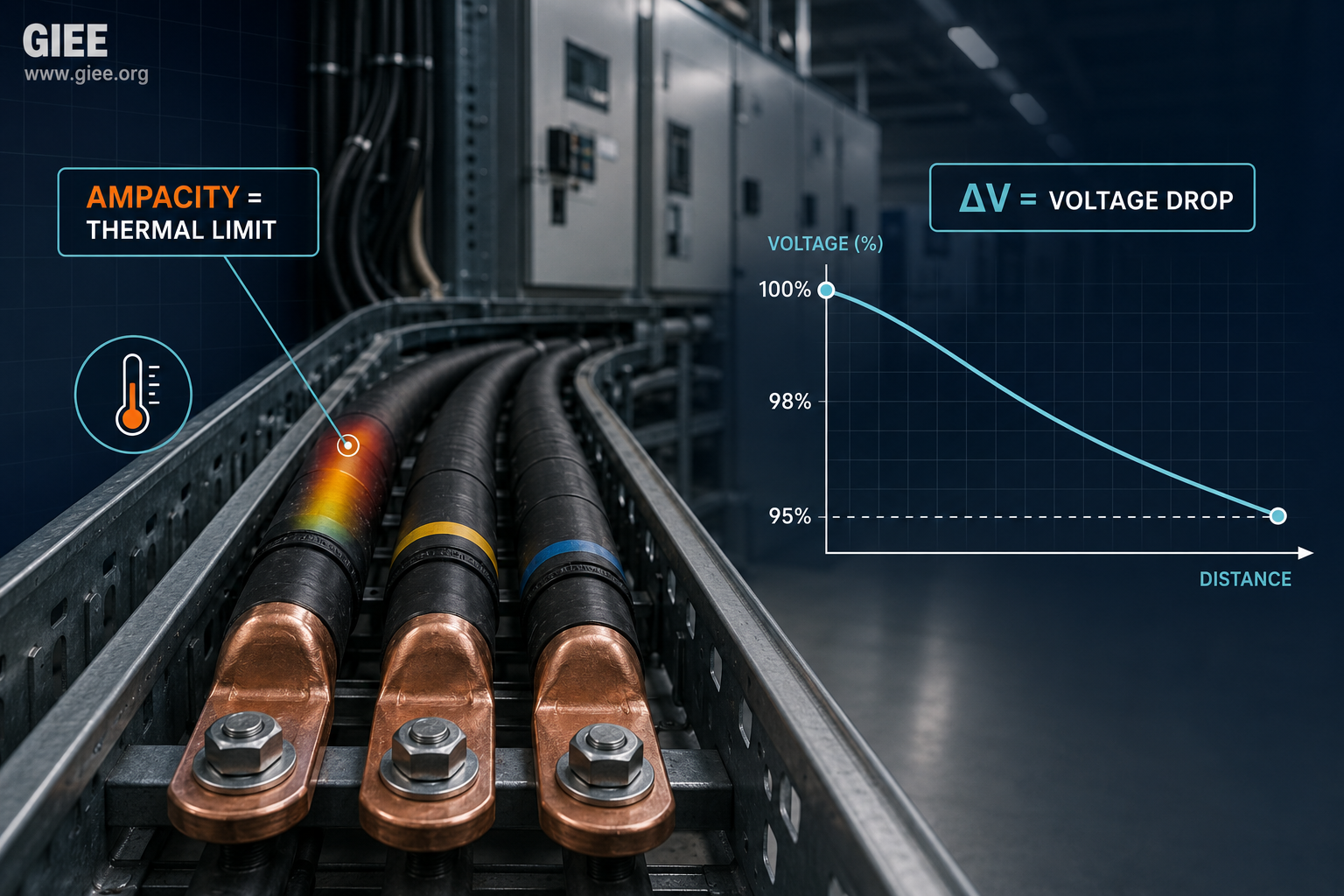
Cable Ampacity vs Voltage Drop: Two Concepts Every Engineer Must Understand
Key Takeaways Ampacity is a safety limit; voltage drop is a performance limit. One protects the cable from overheating, the …
Read More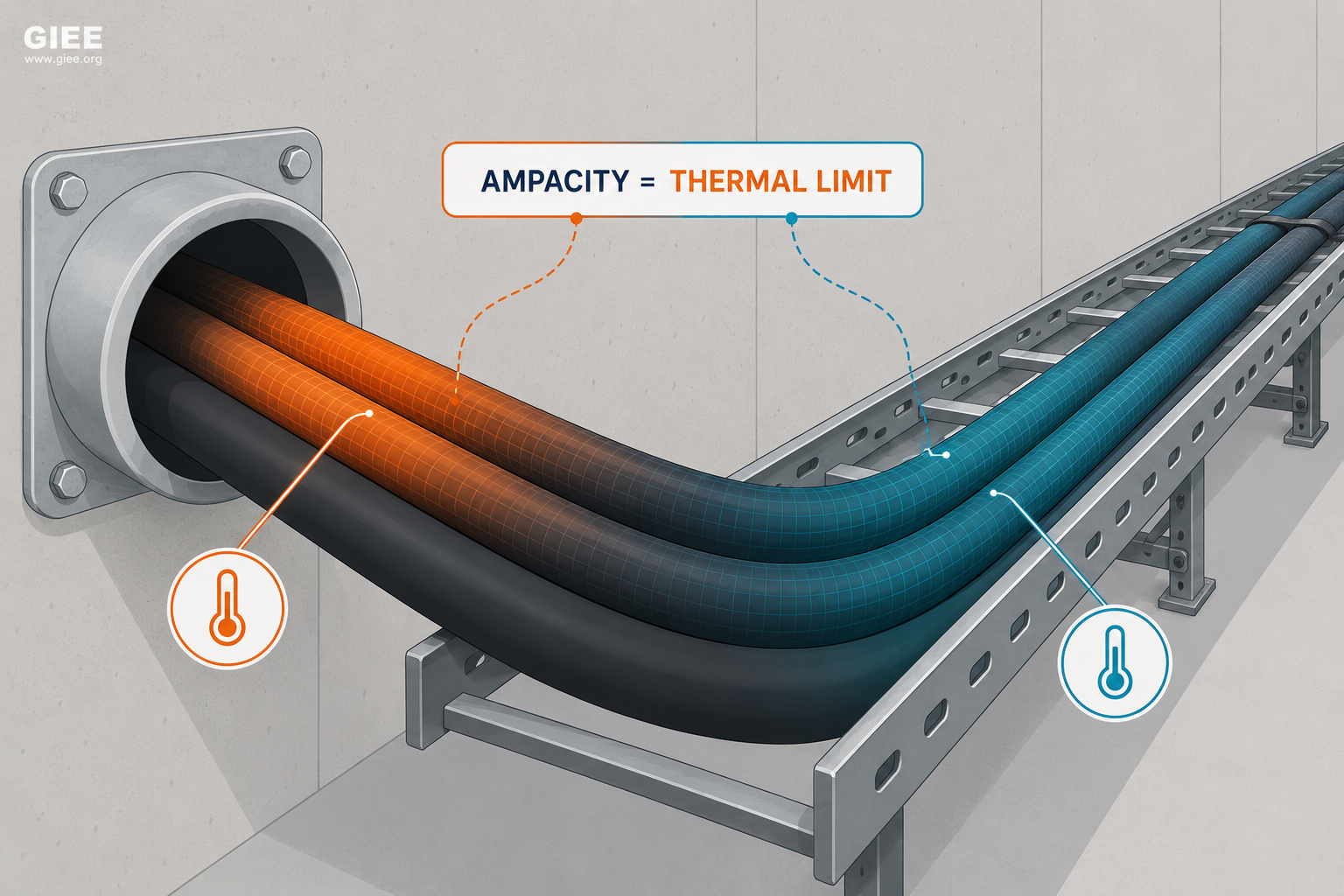
Factors Affecting Cable Ampacity: Why the Same Cable Does Not Always Carry the Same Current
Key Takeaways Ampacity is a thermal limit, not an electrical one: it is the current at which the conductor reaches …
Read More
Energy Storage Systems (ESS): A Complete Engineering Guide from Fundamentals to Grid-Scale Applications
Key Takeaways Energy storage has moved from a niche grid asset to critical infrastructure, driven by falling lithium-ion costs (average …
Read More